AWP / NOW: Environmental Harm as an International Crime
From publicly posted calendar Checked 7 hours ago
About this event
One of 5 upcoming events at Art Works Projects.
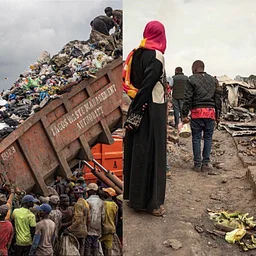
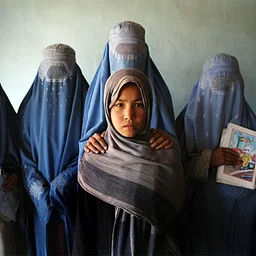
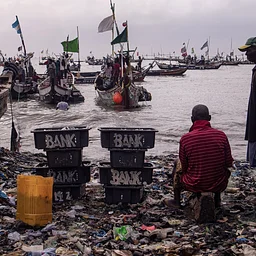
WHEN DOES ENVIRONMENTAL HARM BECOME AN INTERNATIONAL CRIME? Environmental destruction may occur in one place, but its consequences—for communities, ecosystems, climate, security, and our shared future—do not stay neatly within borders. AWP / NOW: Environmental Harm as an International Crime begins with Art Works Projects Emerging Lens Fellows Oyewole Lawal and Edwin Ndeke, whose documentary photography bears witness to environmental degradation and the people and communities living through its aftermath. Their images provide a human, visual starting point for an urgent conversation: When can serious environmental destruction become a matter of international criminal accountability? International criminal law has long developed mechanisms for prosecuting atrocities against people, but its application to environmental destruction remains comparatively limited. In some circumstances, existing law can already reach severe environmental harm through established international crimes. While significant legal and practical barriers remain, a growing international movement seeks recognition of ecocide as a distinct crime. Bringing together documentary photographers, climate advocates, international justice practitioners, and legal experts, the conversation will examine what existing international criminal law can—and cannot—do; how emerging legal tools may help investigators and prosecutors recognize and build environmental cases; what the proposed crime of ecocide could add; and how these different approaches can reinforce one another. This conversation also asks what accountability requires beyond the courtroom. What role can documentary evidence play? How can artists, journalists, lawyers, investigators, advocates, and affected communities help build the record from which future cases may emerge? And how might changing the way we name environmental destruction shift how institutions—and all of us—respond? The evening precedes the 3 November opening of AWP / LIVE: Beyond Waste: People, Materials and What We Leave Behind at The Grey Space in the Middle, featuring work by Lawal and Ndeke. Together, the exhibition and conversation shift from witnessing environmental harm to responsibility, accountability, and action—when we recognize that no distant “other” can be destroyed without consequences for our shared home. Featured Artists The evening begins with photographs by Oyewole Lawal and Edwin Ndeke. Their images ground the legal conversation in environmental degradation and its consequences for the people and communities living with it. Oyewole Lawal Photojournalist, sociologist, and AWP Emerging Lens Fellow Edwin Ndeke Photojournalist, documentary photographer, and AWP Emerging Lens Fellow FROM WITNESS TO ACCOUNTABILITY The program opens with the documentary work of Oyewole Lawal and Edwin Ndeke, then brings their images into conversation with climate action, existing international criminal law, emerging tools for investigators and prosecutors, and the movement to recognize ecocide as a distinct crime. The discussion will not assume that every act of environmental destruction is already an international crime. It will examine where current law can apply, where it remains limited, and what a new legal framework could add. Documentary witness — environmental destruction and its consequences for affected communities. The reach of existing law — when established international crimes may already apply, and the evidentiary and jurisdictional barriers. Tools for practice — the ICC Prosecutor’s Policy on Addressing Environmental Damage Through the Rome Statute and the Manual on Prosecuting International Environmental Crimes. The movement for ecocide — what recognition of a distinct crime could add and why the campaign has particular resonance in Africa. Responsibility beyond the courtroom—how documentation, investigation, litigation, journalism, advocacy, and community knowledge can strengthen the record for future accountability.