
Climate Resiliency: Lessons from Block Island, and what they could mean for Fishers Island
From publicly posted calendar Checked 23 hours ago
About this event
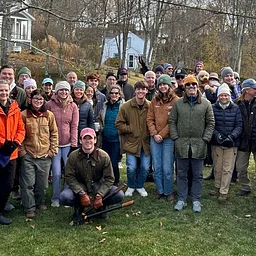
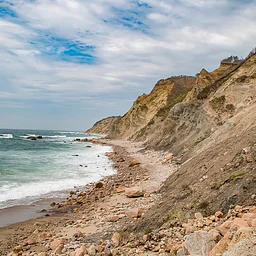
As an island community, Block Island is uniquely vulnerable to more frequent and intense storms, high winds, coastal storm surges and the sea level rising. These hazards pose a growing threat to roads and bridges, coastal wetlands, historic and cultural resources, and other assets. Join us at the Museum for an Illustrated Talk by Nora Clark, Block Island Climate Resiliency Coordinator, The Nature Conservancy (TNC), to learn how Block Island is adapting to a changing climate, and what its experience could mean for Fishers Island. WHEN: Thursday, November 19, 2026 TIME: 5-6 p.m. PLACE: In-person at the Museum and virtual via Zoom Join. Zoom Webinar Nora Clark is an educator passionate about science, she works with residents, agencies and scientists to build community resilience. Block Island provides habitat for many plants and animals that disappeared from the rest of southern New England decades ago. Today, nearly half the island is permanently protected for people and nature. In 2021, TNC partnered with the Rhode Island Infrastructure Bank to lead a community-led process to assess current hazards and climate change impacts, and prioritize projects and policies that will improve resilience. Block Island’s enduring natural beauty demonstrates the power of community-led conservation. Photos courtesy of The Nature Conservancy on Block Island. Erosion on the bluffs in certain areas of the island has become increasingly dramatic. Block Island experiences increased flooding and water management concerns due to rising sea levels. Road damage due to sea level rise and increased storm intensity. As sea levels continue to rise, thoughtful conversations will be needed about the future of access to hot spot areas. Seawalls and bulkheads are designed to block water and absorb wave energy. Planting beach grasses on dunes helps stabilize sand and reduce erosion.