Botanical Sun Printing: Section B
From publicly posted calendar Checked 5 hours ago
About this event
One of 73 upcoming events at Mt. Cuba Center.
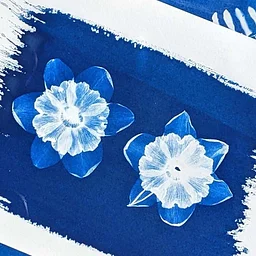
Cyanotype, also known as sun prints, is a camera-less photographic process that uses light, chemistry, and nature to create striking blue-and-white images. In this hands-on class, explore how this historic technique invites close observation of plants while celebrating form, texture, and the fleeting beauty of the natural world. Begin with a brief introduction to the history of cyanotype, then use the sun itself as a UV light source to create your own prints using plant materials harvested from Mt. Cuba’s gardens. As you arrange leaves, stems, and flowers, you’ll learn how composition, exposure, and light interact to produce unique and expressive images—no photography experience required. You will leave with finished cyanotype prints and a deeper appreciation for the intersection of art, science, and plants. This creative experience offers a new way to engage with Mt. Cuba’s landscape, turning observation into lasting works of art. All supplies are provided. Please note the use of chemicals may stain, so wear appropriate clothing. This program takes place in-person at Mt. Cuba Center Sunday, September 13, 2026 (Rain Date: Sunday, September 27). 🥬 Gift or take home About the Instructor: Shelly Silva holds a M.S. in Marketing Management from Wilmington University and a B.F.A. in Fine Art Photography from Corcoran College of Art + Design. When Shelly is not teaching workshops on botanical cyanotypes or alternative photographic processes, she works as a digital communications specialist at the University of Delaware. She enjoys teaching people about the connections between nature, art, and the process of art making. REGISTER NOW: General Public Individual+ & Dual+ Members Supporter, Advocate & Conservator Members