Best of Tohoku
From publicly posted calendar Checked yesterday
About this event
One of 10 upcoming events at Samurai Tours, and 2,552 across Denver.
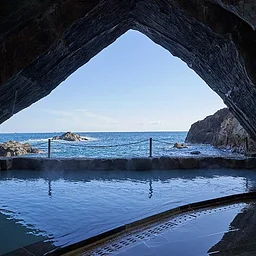
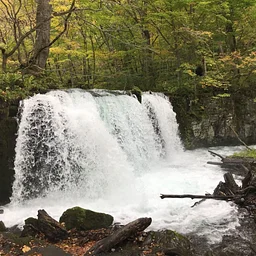
Don’t hesitate to contact us. We are an expert team and we are happy to talk to you. You will be met at Tokyo’s Narita airport by a Samurai Tours meeting staff member. They will help you board a shuttle bus to the hotel next to the airport where you will be staying for the night. No meals included. Travel: 1 1/2 Hours; Walking: Light We will begin our adventure today by taking a Shinkansen (bullet train) to the city of Aomori, at the northern tip of northern Japan. There, we will begin our adventure at the Sannai Maruyama Archaeological Site. It is the largest and one of the most complete and best preserved Jomon Period (13000-300 BC) villages in Japan. Unearthed by accident while surveying land to build a community baseball field, the former Sannai Maruyama Village once included over 700 structures and dwellings including long houses, storage structures, roads, and trash and burial pits. After checking into our hotel, we will eat dinner while enjoying a Tsugaru Shamisen performance. This style of playing the Shamisen originated in the nearby Tsugaru Peninsula hundreds of years ago. Before leaving Tokyo, you will send your main luggage ahead to Lake Towada. You will need enough items for 2 days and 1 night. Breakfast at the hotel and dinner at a local restaurant is included. Travel: 4 1/2 Hours; Walking: Medium After breakfast, we will visit the Nebuta Warase Museum. The museum is dedicated to the city’s famous Nebuta Matsuri, held annually in early August. The museum attempts to capture the spirit of the festival and gives visitors a taste of its lively atmosphere, history and traditions. For lunch, we will go to the Furukawa Fish Market. Here you can create your own seafood donburi (called nokkedon) from the fresh seafood sold at the market. Next, we travel to Lake Towada, where we will be staying for the night. Breakfast and dinner at the ryokans are included Travel: 2 1/2 Hours; Walking: Medium The Oirase River flows along the floor of Oirase Gorge, winding among trees and passing more than a dozen waterfalls cascading into the river from the walls of the gorge. An easy-to-walk hiking trail leads along the most scenic section of the gorge. The trail is about 9 kilometers long (about 6 miles). There are numerous bus stops along the way, and if you are not able to finish the walk you can take a bus to end of the trail. Next, we will tour Lake Towada by taking a sightseeing boat back to the hotel. Lake Towada is the largest caldera lake on Honshu, Japan’s main island, and is characterized by two large peninsulas which extend nearly a third of the way across the lake. The best way to see the lake is by sightseeing boats, which offer close-up views of the peninsulas that are otherwise difficult to see. Breakfast at the ryokan and dinner at the ryokan included. Travel: 1/2 Hour; Walking: Heavy You will have a free morning to enjoy the quiet and beauty of Lake Towada. In the afternoon, we will travel to Tsunagi Onsen. With a history stretching back 900 years, Tsunagi Onsen is a popular hot spring on the outskirts of Morioka. The onsen was named “Tsunagi” (tether) from when the famous samurai warrior Minamoto no Yoshiie took a bath while his horse was tied to a stone. The stone came to be known as Tsunagi Stone and can now be seen at the Tsunagi Onsen Shrine. Before leaving Lake Towada, you will send your main luggage ahead to Tsuruoka. You will need enough items for 3 days and 2 nighst. Breakfast at the ryokan and dinner at the ryokan included. Travel: 3 1/2 Hours; Walking: Light After breakfast, we will continue our adventure by traveling to Kakunodate. Kakunodate is a former castle town. And while the castle no longer exists, the samurai tradition is still strong. There were two distinct sections of Kakunodate: the merchant district and the samurai district as designed in the Edo Period. Today, the samurai district has some of the best preserved examples of samurai architecture anywhere in Japan. We will tour two homes: the Aoyogi and the Ishiguro homes. The Aoyogi home is the largest in Kakunodate, and includes multiple buildings with musuem collections documenting the samurai traditions and history in Kakunodate. The area open to visitors at the Ishiguro home is limited because the Ishiguro family still maintains a residence in the home. We will finish the day at the Denshokan museum. This museum has numerous local arts and handicrafts on display, the most prominent being items made from cherry tree bark. During the cold winter months, the samurai would earn extra income by making these items. Breakfast at the ryokan, lunch at a local restaurant, and dinner at the hotel is included. Travel: 1 1/2 Hours; Walking: Medium We will start the day by traveling to the Dewa Sanzan. Dewa Sanzan (“three mountains of Dewa”) are three sacred mountains each with a shrine on or near its peak. Dewa Sanzan is a center of Shugendo, a folk religion based on mountain worship, blending Buddhist and Shinto traditio