The Electrical Grid in Flux
From publicly posted calendar Checked 10 hours ago
About this event
One of 55 upcoming events at Science History Institute, and 3,420 across Philadelphia.
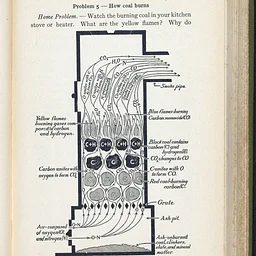
What are the operational and economic limitations to installing alternative generation technologies, such as solar, wind, geothermal, and nuclear? What are the political and social constraints? And how do large-scale storage technologies and data centers affect the needs of the electric grid? Energy engineer Dave Walter will explore the past and present of integrating renewable energy into our electricity delivery system. He’ll look at the difference between traditional forms of generation, like coal and natural gas, and alternative sources through the “levelized cost of electricity,” that is, the average total cost of building and operating an energy system over its lifetime, divided by the total energy output produced during that period. And beyond technical considerations, Walter will examine how public policy at the state and federal level is challenging and abetting the installation of alternative energy sources. David Walter is currently the director of marine operations at the University of Delaware’s College of Earth, Ocean and Environment. Prior to this role, he worked at the Department of Energy as the sector lead for renewables at the Loan Programs Office and a technology manager for grid integration research in the Solar Energy Technologies Office. David earned a BS in Ocean Engineering from the United States Naval Academy and is a licensed professional engineer (PE) and project management professional (PMP). The Joseph Priestley Society (JPS) promotes a deeper understanding of science, technology, and industry, with an emphasis on innovation and entrepreneurship. Speakers are leaders from a wide variety of large and small chemical companies and the financial, consulting, and academic communities. Watch past events at sciencehistory.org/jpsvideos. For more information about this event, please contact [email protected]. Featured image: How Coal Burns, part of The Science of Common Things; a Textbook of General Science, 1922. Curious about the other half of the Science History Institute? Step into the Othmer Library of Chemical History! It’s Nobel Prize Week! Celebrate with us and see what’s behind one of the most coveted science awards. Drop in for a tour highlighting the central role of women in shaping chemistry and the material sciences throughout history. Copy the above HTML to republish this content. We have formatted the material to follow our guidelines, which include our credit requirements. Please review our full list of guidelines for more information. By republishing this content, you agree to our republication requirements.